
Azərbaycanda məsuliyyətli oyun: limitlər, təhlükəsizlik və özünü məhdudlaşdırma
Gambling in Azerbaijan operates within a specific legal framework, and for participants, understanding the available protective measures is crucial for a secure experience. This guide explains the practical tools designed for player safety, such as deposit limits, identity verification processes known as KYC, and self-exclusion mechanisms. These systems are not just formalities; they are essential components for maintaining control and preventing gambling from negatively impacting one’s financial health or personal life. We will explore how these tools function within the local context, using the manat as the reference currency and adhering to Azerbaijani regulations. For instance, a platform like https://pinco-casino-az.org/ integrates such features, but the principles apply universally across licensed operators. The focus here is on empowering you with knowledge about the safeguards that exist and how to actively utilize them.
Understanding the Legal Landscape for Gambling in Azerbaijan
The regulation of gambling activities in Azerbaijan is centralized and strictly controlled. The primary legal act governing this sphere establishes clear rules for licensing and operation. Only entities that obtain the necessary state license are permitted to offer gambling services, both in physical locations and online. This regulatory environment is designed to protect consumers by ensuring that operators meet specific standards for fairness, security, and responsible gambling practices. The National Legislative Body oversees compliance, and part of this compliance involves mandating that licensed platforms implement the player protection tools discussed in this article. This structure means that when you engage with a licensed service, you have a baseline of guaranteed protections enforced by law.
Key Regulatory Requirements for Operators
Licensed operators in Azerbaijan are obligated to integrate several safety mechanisms into their platforms. These are not optional features but legal requirements. The regulations stipulate that operators must provide players with clear information about the risks of gambling, offer easily accessible tools for setting personal limits, and establish a reliable process for identity verification. Furthermore, they must provide a path for self-exclusion, allowing players to voluntarily block their access to gambling services for a predetermined period. Failure to comply with these requirements can result in significant penalties for the operator, including the revocation of their license. This legal backbone is what makes the practical tools for players both available and effective.
Financial Control – Setting Personal Deposit and Loss Limits
One of the most direct ways to maintain control over your gambling activity is by setting personal financial limits. These are pre-commitment tools that allow you to decide in advance how much money you are willing to risk over a specific period-daily, weekly, or monthly. The principle is simple: once you reach your self-imposed limit, the system will prevent you from depositing or wagering further until the next period begins. This proactive approach helps prevent impulsive decisions during play and is a cornerstone of responsible gambling.
For example, an individual in Baku might decide that a reasonable entertainment budget for online games is 200 AZN per month. By setting this as a hard deposit limit within their account settings, they create a financial boundary that the platform enforces. It’s important to understand the different types of limits:
- Deposit Limit: Caps the total amount of money you can transfer into your gaming account.
- Loss Limit: Stops you from wagering further if your net losses reach a specified amount.
- Wagering Limit: Restricts the total amount of money you can bet within a timeframe.
- Session Time Limit: Alerts you or pauses play after a continuous period of activity.
- Reality Check Reminders: Periodic pop-up notifications that inform you of how long you have been playing.
Activating these limits is typically a straightforward process found in the account management or responsible gaming section of a licensed platform. The key is to set these limits when you are in a calm, rational state of mind, not during or immediately after a gaming session.
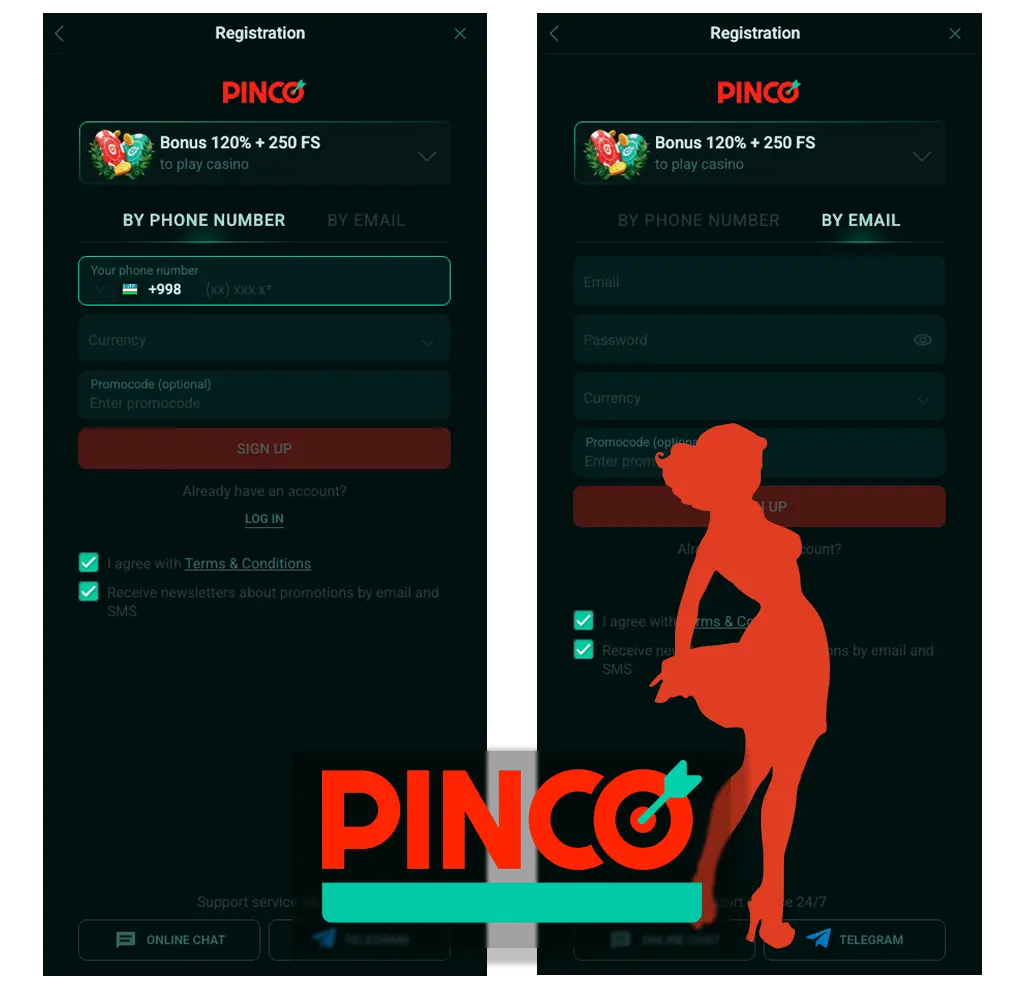
The KYC Process – Why Identity Verification Protects You
Know Your Customer (KYC) procedures are standard security protocols in the financial and gaming industries worldwide, and Azerbaijan is no exception. While it might seem like a bureaucratic step, KYC is a critical layer of protection for the player. It involves submitting documentation to verify your identity, age, and place of residence. This process ensures that only eligible adults can participate and helps prevent fraud, money laundering, and identity theft.
For an Azerbaijani citizen, the typical KYC process requires providing a scanned copy or clear photo of an identity document, such as a passport or national ID card, and sometimes a recent utility bill or bank statement for address confirmation. Here is a breakdown of what this process achieves:
| KYC Step | Purpose | Player Benefit |
|---|---|---|
| Age Verification | Confirms the player is 18 or older. | Protects minors from accessing gambling services. |
| Identity Confirmation | Ensures the account belongs to a real person. | Prevents account takeover and secures your funds. |
| Address Check | Verifies the player is within a licensed jurisdiction. | Guarantees you are using a service legally available to you. |
| Payment Method Ownership | Links the deposit method to the verified identity. | Blocks fraudulent transactions on your cards or accounts. |
| Source of Funds Check | May be requested for large transactions. | Adds an extra audit trail for your financial safety. |
Completing KYC is a one-time process for most platforms, and it unlocks the full functionality of your account, including secure withdrawals. It is a mutual safeguard that protects both the integrity of the platform and the security of your personal and financial data.
Self-Exclusion – A Powerful Tool for Taking a Break
Self-exclusion is a voluntary program that allows you to take a definitive break from gambling. When you activate self-exclusion, you request the operator to block your access to your account for a chosen period, which can range from a few months to several years, or even permanently. This is a serious tool intended for individuals who feel their gambling habits are becoming problematic or who simply wish to remove the temptation for a while.
In Azerbaijan, licensed operators are required to offer this option. The process is designed to be deliberate: there is usually a cooling-off period between requesting self-exclusion and its activation, but once enacted, it is binding. Reinstating access before the chosen period ends is intentionally difficult, requiring direct contact with the operator’s support team and often a mandatory waiting period. This barrier is a feature, not a bug; it gives you time for reflection.
- Cooling-off Period: A short delay (e.g., 24 hours) between request and activation to prevent impulsive decisions during emotional distress.
- Duration Options: Common periods include 6 months, 1 year, 3 years, or permanent exclusion.
- Scope of Block: Typically applies to all services offered by that specific operator.
- Marketing Exclusion: You should also be removed from all promotional emails and advertisements.
- Post-Exclusion Support: Reputable platforms provide information on professional help resources upon activation.
It is crucial to understand that self-exclusion with one operator does not automatically exclude you from others. If you feel the need for a broader break, you would need to repeat the process with each platform you use. This tool represents taking personal responsibility with the full support of the regulatory framework.
Integrating Protection Tools into Your Routine
Knowing these tools exist is one thing; effectively integrating them into your gambling routine is another. The most successful approach is to treat these settings as a fundamental part of your account setup, not as an afterthought. Consider establishing a personal policy: for instance, never playing without having active deposit and session time limits in place. Regularly review these limits-perhaps every six months-to ensure they still align with your financial situation and entertainment goals. Use the reality check alerts as a genuine prompt to step away and assess, rather than simply dismissing them. Mövzu üzrə ümumi kontekst üçün problem gambling helpline mənbəsinə baxa bilərsiniz.
For many, the act of going through the KYC process itself can serve as a moment of conscious commitment, recognizing that they are engaging with a regulated activity that carries both entertainment value and risk. If you ever find yourself consistently reaching your limits or considering self-exclusion, view it as a valuable signal from your own safeguards. These tools provide data and boundaries that can help you make more informed decisions about your participation.
Recognizing When to Seek Additional Help
The tools provided by operators are essential first lines of defense, but they are not a substitute for professional help if gambling is causing significant distress. Warning signs include gambling with money meant for bills or essentials, trying to win back losses (“chasing losses”), hiding gambling activity from family, or feeling irritable when not gambling. In Azerbaijan, individuals experiencing these issues can seek support from psychologists or counselors specializing in behavioral addictions. Acknowledging the need for help is a strength, and combining professional support with the practical use of account-based tools creates the most robust strategy for regaining control.
The Future of Player Protection Technology
The field of player protection is evolving with technology. Future trends likely to impact Azerbaijani players include more sophisticated behavioral analytics, where algorithms can identify risky play patterns (like rapid, repeated deposits) and trigger personalized safety interventions, such as a mandatory break or a direct message of concern. Biometric verification could streamline KYC while enhancing security. Furthermore, the potential for a centralized self-exclusion registry, where a single request could apply to multiple licensed operators, is a topic of discussion in many regulated markets. These advancements aim to make protective measures more seamless, proactive, and effective, shifting some of the detection burden from the individual to the system, all while maintaining privacy and user autonomy. Qısa və neytral istinad üçün responsible gambling overview mənbəsinə baxın.
Ultimately, the responsibility for safe gambling is a shared one. The regulatory framework in Azerbaijan mandates that operators provide the tools, but their effective use lies with the player. By understanding and actively employing deposit limits, cooperating with KYC checks, and respecting the power of self-exclusion, players in Azerbaijan can ensure their gambling remains a controlled form of entertainment. The ongoing development of these technologies and regulations promises to further strengthen this safety net, making informed and protected participation the standard for everyone involved.
